
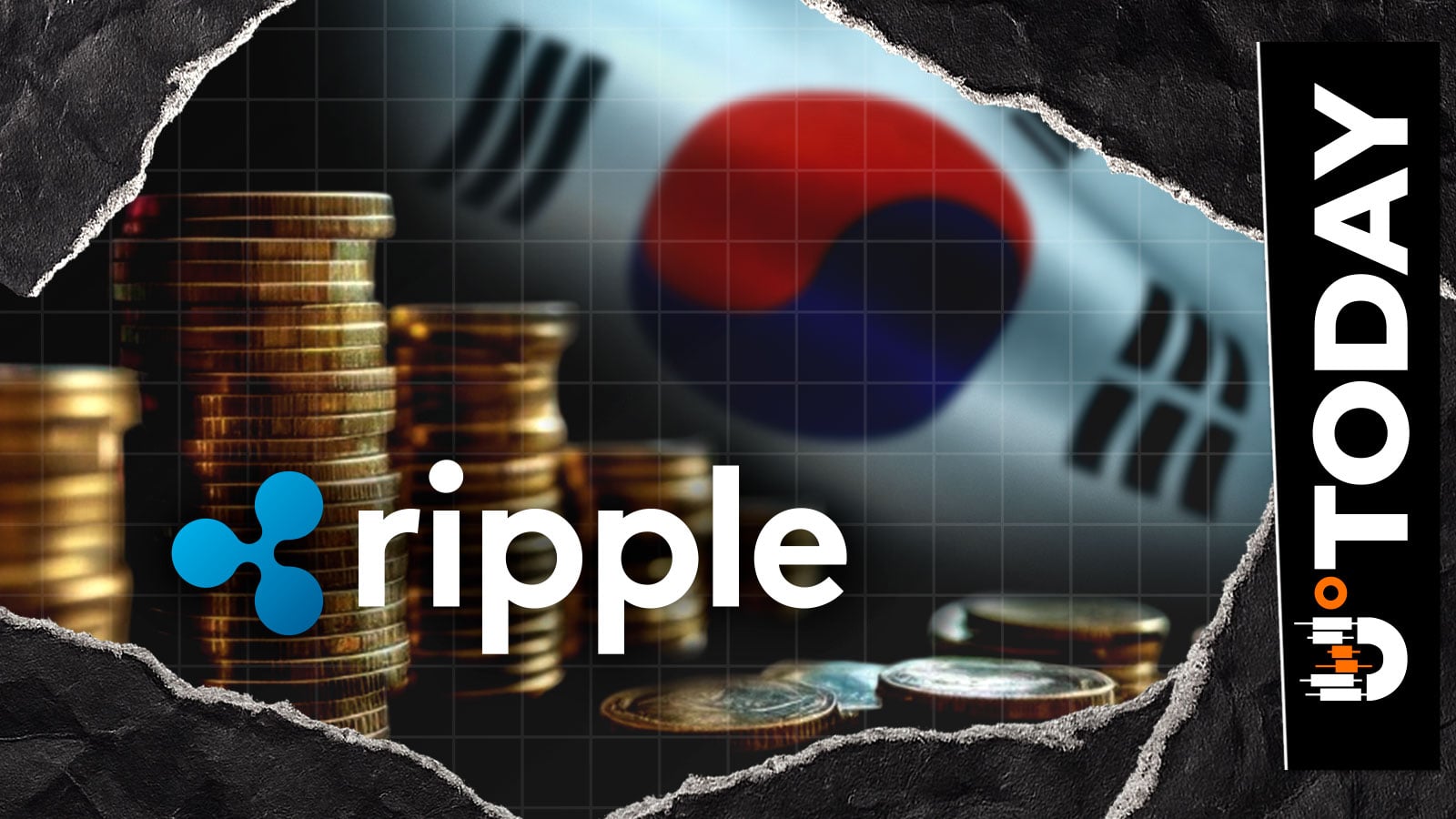
It seems that a restructuring of the fundamental mechanisms of the economy has begun today in South Korea, as one of the country’s oldest insurers, Kyobo Life, announced that it will now store and settle government bonds through the Ripple Custody platform.
Behind the headline lies an attempt to solve a problem that has been costing Korean companies millions of dollars for decades. Imagine buying or selling government bonds in Korea today: the system takes two days to confirm the trade and transfer the funds, during which time capital remains frozen.
Given that Korea’s government bond market is currently estimated at $800 billion, a portion of this capital is constantly suspended due to bureaucratic manual verification processes.
Why Korea’s insurance giant swapped old tech for Ripple
The partnership with Ripple effectively transforms paper-based processes into tokenization with near-instant settlement, meaning what previously took 48 hours will now take seconds.
The real intrigue, however, lies in the details. Kyobo Life and Ripple are not just building a digital vault; they have begun testing payment gateways based on stablecoins. Conveniently, Ripple has its own stablecoin, RLUSD. Whether it will be used remains an open question at this stage.
Timing and location also matter. South Korea has effectively become a sandbox for regulated blockchain adoption. While other regulators remain cautious, Seoul is already licensing crypto custodians. The choice of Ripple as a partner for Kyobo Life is therefore not surprising, but rather confirms that the company’s technology is ready to handle heavy assets such as government debt.
As for what this means for XRP, it suggests that the technology behind the token, despite not being directly about cryptocurrency in this case, is moving out of the realm of speculation and becoming part of the new infrastructure of the banking system.