


- Bitcoin and the broader digital assets market will stand to gain from Trump’s new single-family housing purchase ban for institutions, as capital reallocations ensue.
- The measure would also boost real estate RWA tokenization as institutional home buyers seek alternatives to maintain their exposure in the sector while adhering to the rules.
US President Donald Trump made a bold announcement that could shake up the home market. On Wednesday, he said it’s high time to ban large institutions from buying single-family homes.
Housing Stocks Tumble on Trump’s Single-Family Home Institutional Purchase Ban
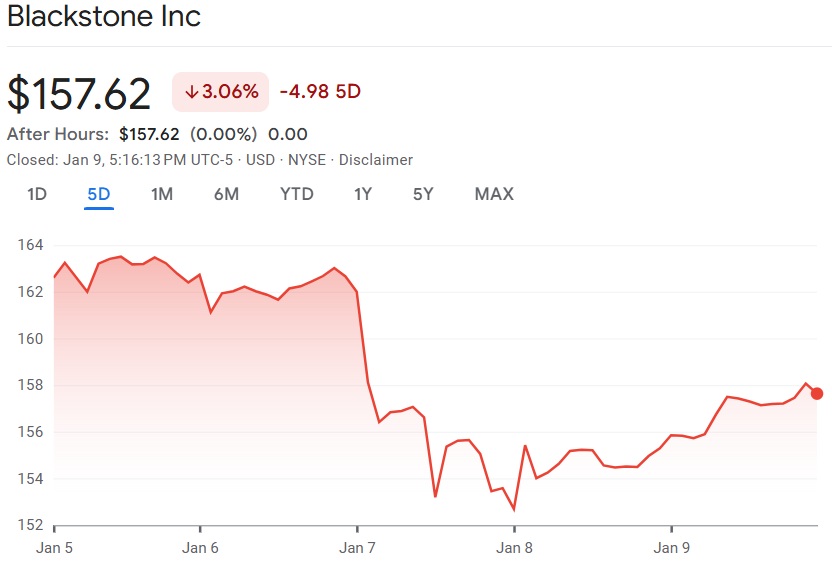
Housing stocks took a hit on Trump’s proclamation. Blackstone, the world’s largest alternative asset manager with over $1 trillion in assets under management (AUM), sharply fell by around 5.89% in the aftermath. It went from $162.79 to $153.19 per share intraday on Wednesday, before recovering to $158.06 near Friday’s market close.
Meanwhile, Bitcoin (BTC) continued to lose its foothold in the $94,000 territory during the period. However, Trump’s announcement on housing was unlikely the sole culprit behind its mid-week pullback to around $91,000.
BTC itself grappled with key events happening within its ecosystem, including MSCI’s decision on the Strategy (MSTR) issue and Riot Platform’s reported offloading of over $200 million in BTC. There was also concentrated profit-taking as investors cashed out from the premier crypto asset’s significant rebound after the December decline.
For now, the crypto market may not have priced in yet Trump’s gambit against institutional buyers of single-family homes to drive affordability for regular consumers. But then again, the undercurrents on institutional capital flows and where “alternative” institutional money might go next could be exciting for the crypto market.
Why the Move is Bullish for Crypto in the Long Run
Trump’s enforcement of the institutional purchase ban on single-family homes could trigger short-term market volatility. On the other hand, the favor could turn to Bitcoin and crypto in the long run.
Shift in Capital Allocation
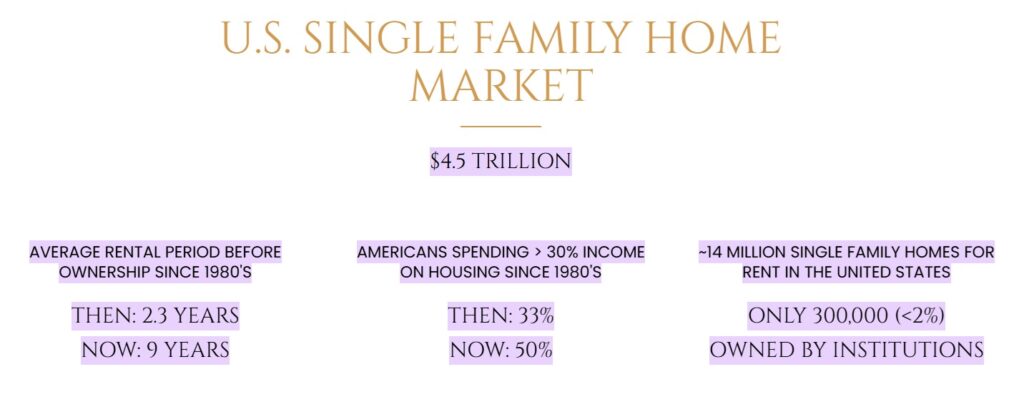
The immediate outcome of Trump’s upcoming housing policy would be capital flight from housing investments to other alternatives, such as crypto. Steinbridge valued the US single-family home market at $4.5 trillion. Additionally, it noted that there are 14 million single-family homes for rent nationwide. This institutional capital will ironically need a new home once the government implements the restriction.
While not a guaranteed outcome, a significant share of the newly freed capital will likely flow into digital assets. Bitcoin, despite its short-term volatility, has shown resilience against the US dollar over the long term, making it an attractive alternative for companies seeking to hedge their capital against economic and political uncertainties.
So far, real estate has been an effective hedge against currency devaluation. With that, Bitcoin’s “digital gold” narrative could significantly come into play as institutional exposure in the housing market narrows, thereby attracting more institutions to invest in related spot crypto exchange-traded funds (ETFs).
Boost in RWA Tokenization of Real Estate
Institutions may turn to blockchain solutions to circumvent the housing restrictions. Hence, some analysts are throwing the probability of them turning to real-world asset tokenization (RWA) to bypass the regulatory ban.
Businesses could pivot to tokenized RWAs in real estate that would maintain their exposure to the sector’s yields and constant price appreciation while effectively leaving the traditional “corporate landlord” ownership structure. They could emulate Dubai’s XRP Ledger (XRPL)-powered real estate tokenization model for fractionalized home ownership to maintain compliance with Trump’s housing policies.
What’s your Reaction?
+1
3

+1
0

+1
0

+1
0

+1
0

+1
0

+1
0