

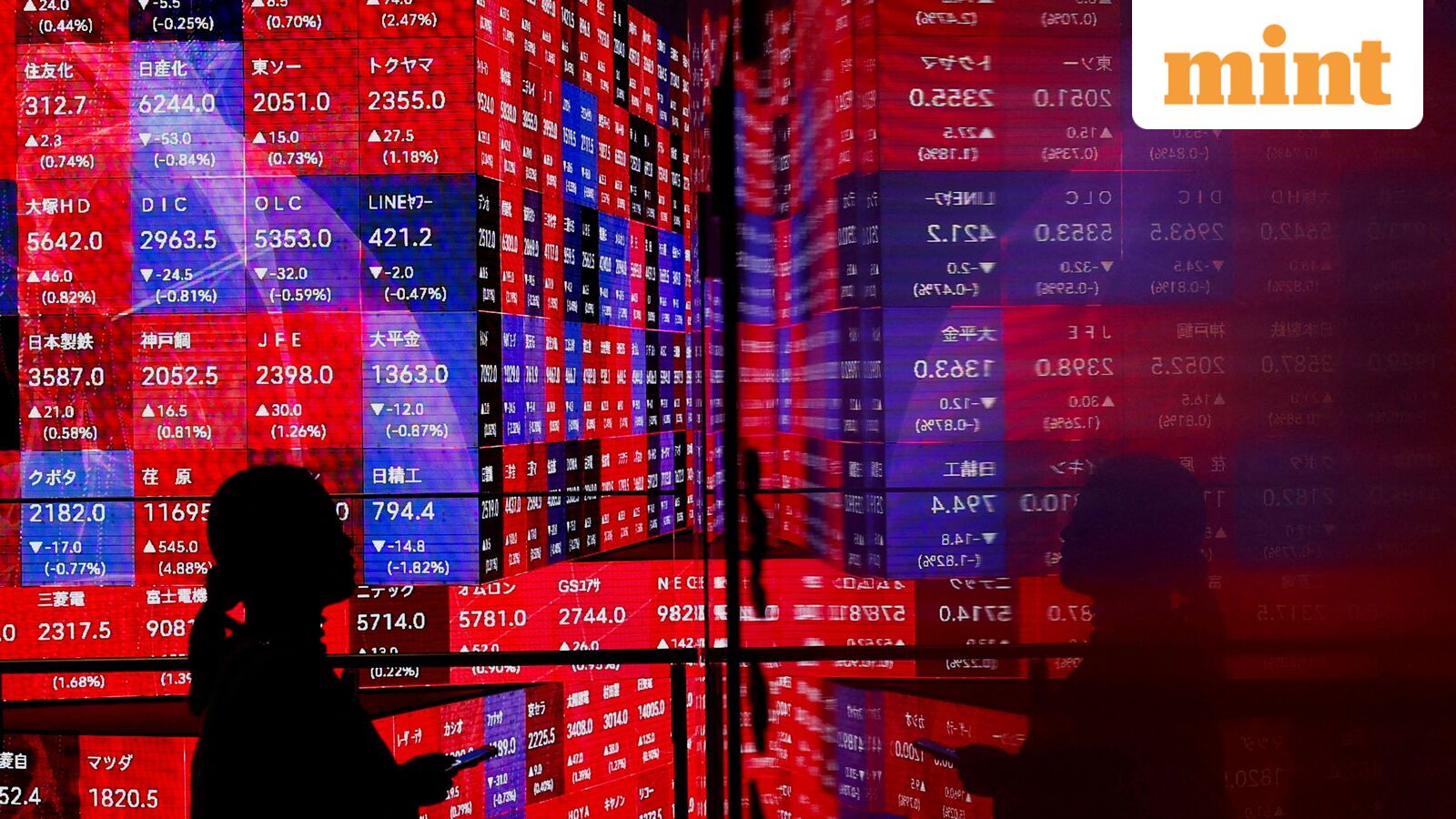
Asian equities tumbled for a second straight session as intensifying conflict in the Middle East rattled investor confidence and reignited fears of an energy-driven inflation surge. With oil climbing and geopolitical tensions spiraling, markets across the region are bracing for heightened volatility.
The MSCI Asia Pacific Index dropped as much as 2%, extending Monday’s 1.7% fall following US and Israeli strikes on Iran and Tehran’s retaliatory attacks on neighboring countries. South Korea led regional losses as trading resumed after a holiday, with the Kospi plunging up to 4.1%. Japan’s Nikkei 225 fell 2.3%, while S&P 500 e-mini futures declined 0.6%, signaling lingering global nervousness.
Wall Street managed to stabilize after a volatile session overnight. The S&P 500 recovered from early losses to close flat, while the Nasdaq Composite gained 0.4% as investors bought into the dip. However, the underlying uncertainty remains unresolved.
Adding to market anxiety, an official from Iran’s Revolutionary Guards declared that the Strait of Hormuz has been closed to marine traffic and warned that any ship attempting to pass would be targeted. The strategic chokepoint handles a significant portion of global oil shipments, making it a flashpoint for energy markets.
Brent crude futures rose another 2% to $79.22 on Tuesday after surging sharply on Monday. In natural gas markets, benchmark European and Asian LNG prices jumped approximately 40% in a single session, underscoring the scale of supply fears.
Should Asian Markets expect a deeper rout?
According to Invesco, Asia remains particularly exposed to sustained oil price increases due to its dependence on imported energy and its high trade openness.
“Asia remains the most vulnerable region globally to sustained increases in oil prices due to its heavy reliance on imported energy and high trade openness. A prolonged geopolitical shock that disrupts Gulf exports could materially influence the region’s macro outlook,” said the brokerage.
The firm cautioned that while geopolitical outcomes are unpredictable, prolonged tensions carry downside risks for regional growth. If supply disruptions push oil prices higher for an extended period, Asia could face weaker economic expansion and rising macro-stability concerns.
Invesco noted that the duration and persistence of elevated oil prices will ultimately determine the economic fallout. While higher oil typically increases inflation risk for major energy importers such as South Korea and Taiwan, the firm expects central banks to tread carefully.
“On the impact of higher oil prices, while I expect higher oil prices to increase the upside risk to the inflation outlook for large energy importers such as Korea and Taiwan, I do not expect these central banks to react to the potential inflation threat as they will likely downplay supply-driven inflation pressures,” it added.
Because fuel prices in many Asian economies are regulated, the immediate pass-through to consumers may be limited. Instead, the bigger burden may fall on fiscal budgets, as governments absorb higher import costs.
From an investment standpoint, Invesco identified Thailand, India, South Korea and the Philippines as particularly vulnerable due to heavy oil import dependence. Malaysia, as an energy exporter, could fare relatively better. The firm also suggested that currencies such as the Indian rupee and Korean won may face near-term headwinds.
However, Invesco struck a cautiously optimistic tone regarding equities.
“More so, I expect minimal impact on Asian equity markets and would view any downdraft as a potential buying opportunity.”
The firm added that the evolving semiconductor cycle, driven by robust AI capital expenditure, remains a key support for the region’s macro outlook. Even if growth slows temporarily due to higher oil, policymakers could respond with looser monetary policy and additional fiscal stimulus.
For now, markets remain on edge. The trajectory of crude oil — and the duration of the conflict — will determine whether this selloff deepens into something more severe or proves to be another volatile but short-lived geopolitical shock.
Disclaimer: The views and recommendations made above are those of individual analysts or broking companies, and not of Mint. We advise investors to check with certified experts before making any investment decisions.